Bed Bug Prevention Strategies: Keep Your Home Pest-Free With These Tips
Bed bug outbreaks can upset a living space, creating anxiety and unease. Understanding their behavior and implementing preventive measures is essential. From preserving hygiene to carrying out consistent examinations, there are several strategies that can effectively minimize the risk of these pests. Additionally, precautions while traveling can further safeguard against bringing bed bugs home. What targeted measures can property owners adopt to confirm their living areas are protected from these troublesome pests?
A Guide to Understanding Bed Bugs: Identification and Behavioral Patterns
Bed bugs, diminutive nocturnal insects notorious for feeding on blood, create considerable problems for homeowners and travelers alike. These pests are typically brown, flat, and oval-shaped, measuring about 4 to 5 mm in length. Their talent for concealing themselves within narrow crevices makes them exceptionally hard to eliminate. Bed bugs tend to be most active during nighttime hours, coming out from their concealed locations to feed on the blood of resting humans or animals.
A bed bug's life cycle is made up of a number of stages: the egg stage, nymph stage, and adult stage, with females capable of laying hundreds of eggs during their lifetime. They are predominantly guided by the need for food, and they are lured by the carbon dioxide and heat emitted by nearby hosts. Recognizing these traits is critical for effective identification and management, as early detection can greatly reduce the likelihood of a full-blown infestation.
Key Cleaning Practices to Avoid Infestations
Proper cleaning routines are essential in keeping bed bug infestations at bay. Regularly vacuuming carpets, rugs, and upholstered furniture aids in getting rid of any potential bed bugs and their eggs. Using a vacuum equipped with a HEPA filter is highly recommended and to promptly discard the vacuum bag in a tightly sealed plastic bag to eliminate the chance of reinfestation.
Washing linens, bedding, and clothing in scalding water at least one time per week is an additional essential habit, as intense heat can kill bed bugs and their eggs effectively. Running these items through a high-heat drying cycle for at least thirty minutes strengthens this preventive approach.
Additionally, reducing clutter in living areas minimizes harborage areas for bed bugs, allowing you to preserve a infestation-free environment. Periodically inspecting and maintaining areas like hidden corners, baseboards, and furniture backs further contributes to successful pest control, creating an inhospitable setting for such insects.
Scheduled House Assessments for Bed Bugs
In what ways do routine inspections help maintain a bed bug-free home? Regular home inspections are essential for the early identification and prevention of bed bug problems. By thoroughly checking sleeping quarters, furniture, and frequent hiding places, homeowners can detect evidence of bed bugs, including shed skins, fecal stains, or active insects. These checks should be conducted every few months, with special attention given to high-risk spaces like bedrooms and living rooms.
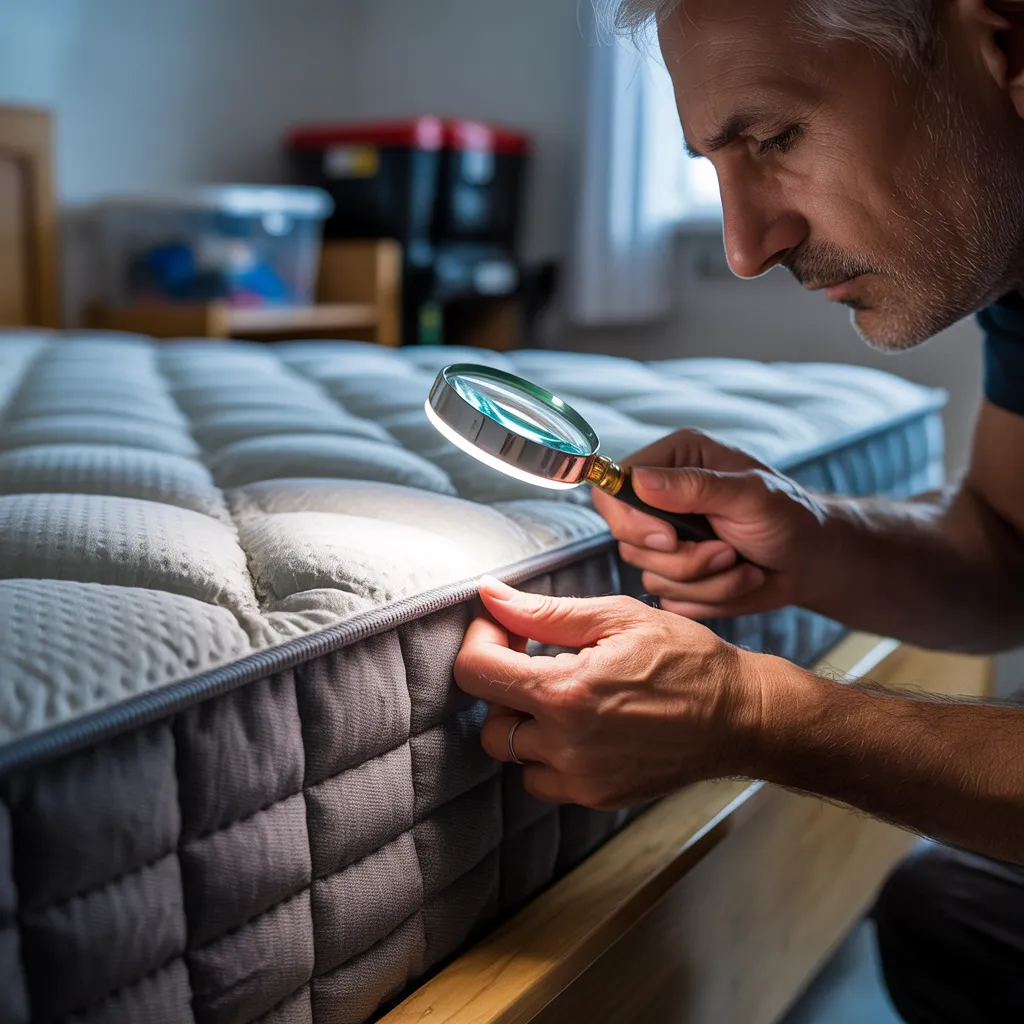
Additionally, engaging all household members in the inspection process encourages mindfulness and alertness, making it easier to identify potential problems in a timely manner. Using instruments such as magnifying glasses and flashlights can strengthen these checks, enabling a more thorough assessment. Ultimately, a preventative method through regular inspections ensures that any infestation activity is addressed swiftly, eliminating the necessity of more extensive and costly eradication measures in the long run.
Travel Advice: How Can You Prevent Bed Bugs?
While traveling can be an enriching experience, it also creates chances for bed bugs to tag along. To reduce the chances, travelers should take several precautionary steps. Initially, inspecting hotel rooms upon arrival is essential; inspect the seams of beds, headboards, and room furniture for any indications of bed bug presence. Storing luggage off the floor and at a distance from the bed can additionally minimize the risk. It is recommended to opt for rigid-sided bags, as bed bugs are less likely to penetrate these materials.
Moreover, travelers should think about packing clothes in zip-locked plastic bags. Cleaning clothing in warm water upon getting back home can remove any unwanted pests. When selecting lodging options, going with hotels with favorable reviews regarding pest control and cleanliness can also be advantageous. By being vigilant during travel, people can greatly reduce the chance of carrying bed bugs back home.
Effective Treatment Options for Early Detection and Control
Timely detection and prevention of bed bugs is essential for proper handling of pest infestations. Homeowners ought to frequently survey sleeping quarters, directing attention toward the seams of mattresses, headboards, and adjacent furnishings. Using dedicated bed bug identification tools, such as interceptors and traps, can prove beneficial in recognizing the first warning signs of an infestation.
Should an infestation be detected, swift action is necessary. Cleaning bedding and garments in hot water and drying them on high heat can destroy bed bugs across all life stages. Carefully vacuuming all affected surfaces, including carpets and upholstery, aids in clearing away visible bugs and eggs.
Expert pest management companies commonly use a blend of thermal treatments and chemical solutions to eradicate bed bugs effectively. Timely action and regular monitoring are critical in stopping a minor issue from developing into a major infestation. Implementing these treatment methods ensures a proactive approach to maintaining a bed bug-free home.
Questions We Often Receive
Can Bed Bugs Survive in Extreme Temperatures?
Yes, bed bugs are able to survive extreme temperatures. They are capable of enduring cold temperatures down to 0°F for a few days and are able to withstand heat reaching 122°F. However, extended exposure to such conditions can result in their death.
How Can You Identify a Bed Bug Bite?
Symptoms of a bed bug bite typically include small, reddish, itchy bumps on the skin, frequently appearing in clusters or rows. Additional signs may include swelling, inflammation, and in start here particular situations, secondary infections or allergic reactions.
In What Ways Do Bed Bugs Spread Between Residences?
Bed bugs travel between residences most commonly through infested baggage, pre-owned furniture, garments, or personal effects. They can also travel through shared walls in multi-unit buildings, making vigilant inspection and prevention essential for residents.
Are There Natural Remedies for Bed Bug Prevention?
Natural remedies for bed bug control include natural oils such as tea tree and lavender, diatomaceous earth, and regular vacuuming. That said, the effectiveness of these methods varies, and professional extermination services may be needed for severe infestations.
Are Pets Able to Bring Bed Bugs Into the Home?
Pets may unknowingly transport bed bugs into your home by collecting them from contaminated locations. Though they do not host bed bugs, their fur may provide a temporary transport for these pests.